Your yard is the first thing people see before they even reach your front door, yet most homeowners spend more time picking a paint color than selecting a landscaping company.
The right landscaping company shapes more than curb appeal. Factors like proper grading, drainage, and plant selection affect your property’s value for years. On the other hand, a bad hire can leave you with dead plants, a yard that floods every spring, etc.
Finding a good landscaping company doesn’t have to be complicated, though. Whether you need routine lawn care, a full landscape design, or hardscaping like patios and retaining walls, the process of hiring a landscaper comes down to knowing which questions to ask and which red flags to watch for before you sign a contract.
This guide walks through exactly what to look for, so you find a landscaping contractor who delivers real results instead of one more headache.
1. Start by figuring out what you actually need
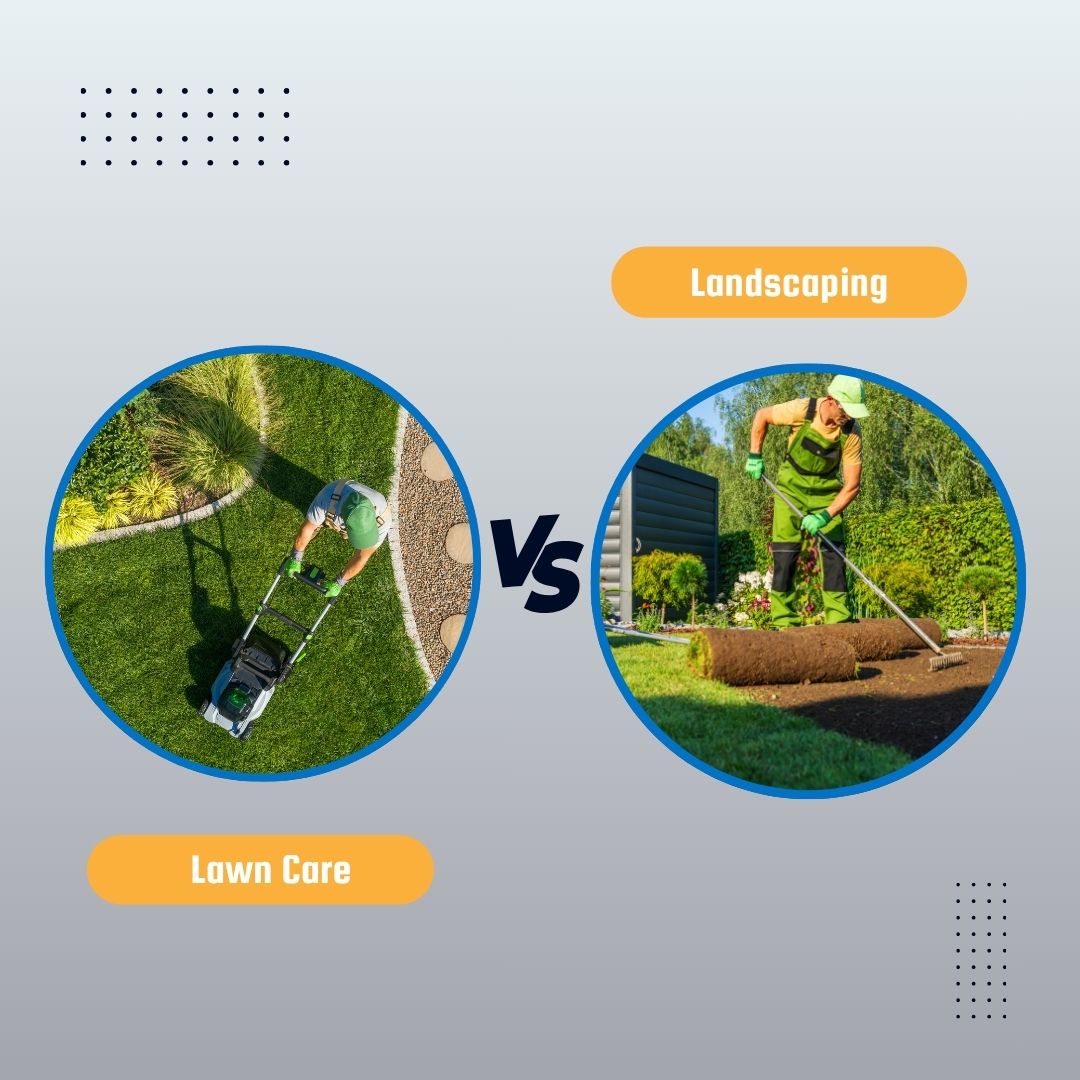
Before you call anyone, get clear on the job. Do you need someone to mow and trim on a regular schedule? Are you planning a full redesign with new beds, walkways, or a patio? Maybe you just need seasonal cleanup twice a year. Landscaping companies tend to specialize, and a crew that’s great at weekly mowing routes isn’t necessarily the right choice for a hardscaping project with retaining walls and drainage work. Knowing your own project narrows the search fast.
2. Check how long they’ve been doing this
A company that’s been in business for ten years has already made the mistakes newer companies are still making on your yard. Ask how long they’ve operated, whether they’ve handled projects similar to yours, and who on the crew actually does the work. Experience shows up in small things: how they handle a drainage problem, how they time planting around your local climate, whether they catch issues before they become expensive ones.
3. Look at what they actually offer
Some companies do it all, design, installation, ongoing maintenance, irrigation, seasonal cleanup. Others specialize in one piece. Neither is wrong, but you want to know which one you’re hiring. If your project might grow (say, a patio install this year and planting beds next spring) a company that covers both saves you from managing two contractors and two schedules.
4. Read the reviews, then ask for references
Online reviews tell you part of the story. Search their name plus “reviews” and read the recent ones closely, not just the star rating. Complaints about missed appointments or sloppy cleanup are worth noticing. Then go a step further and ask the company directly for two or three references from past clients, ideally ones with a project similar in size to yours. A company confident in its work will hand these over without hesitation.
5. Ask to see their past work
Photos of finished projects tell you more than any sales pitch. Ask for a portfolio, and if possible, drive by a property they’ve completed. You’re looking for consistency, not just one great photo, but a pattern of clean, well-maintained results across different jobs. If they’ve done work close to what you’re imagining, even better.
6. Pay attention to how they communicate
This one gets overlooked, but it matters more than most people expect. How fast do they return your call? Do they actually listen when you describe what you want, or do they push their own plan without asking questions? A good landscaper will sometimes push back on an idea too, pointing out what won’t work with your soil or sun exposure, and that’s a good sign, not a red flag. You want someone who tells you the truth, not just what you want to hear.
7. Confirm licensing, insurance, and certifications
This is the boring part, but skip it and you could end up covering costs that should’ve been the contractor’s problem. Ask for proof of insurance and any state or local licensing required in your area. Certifications from horticultural or landscaping associations aren’t mandatory everywhere, but they’re a decent signal that the company keeps up with proper standards. If someone gets hurt on your property or a tree falls the wrong way, you want to know you’re covered.
8. Get real numbers, not vague estimates
A trustworthy company gives you a written quote that breaks down labor, materials, and any extra costs, not a rough number scribbled on the back of a card. Get quotes from at least two or three companies so you can compare apples to apples. The cheapest bid isn’t always the best deal, sometimes it means corners get cut on plant quality or crew size. Ask what’s included and what isn’t before you sign anything.
9. Ask about timelines and guarantees
For bigger projects, get a rough schedule in writing: when work starts, roughly when it wraps up, and what happens if weather or supply delays push things back. Also ask whether they guarantee their plantings or installation work. A company that stands behind its work for at least a season shows they’re confident in what they’re building.
The Conclusion
None of these factors matter much on their own. A company with twenty years of experience but terrible communication will still frustrate you. A cheap quote from an uninsured crew isn’t actually cheap once something goes wrong. Weigh these together, ask the direct questions, and pick the company that answers them clearly and specifically, not the one that just sounds good.
The right landscaping company should feel less like a gamble and more like a decision you can explain to a friend in one sentence: they know what they’re doing, they’ve shown you proof, and they’re straight with you about cost and timeline. That’s really all you’re checking for.
Need Professional Help?
Connect with verified professionals on FixFlow for expert assistance with your home service needs.
Find a Professional